
By Divine Edward
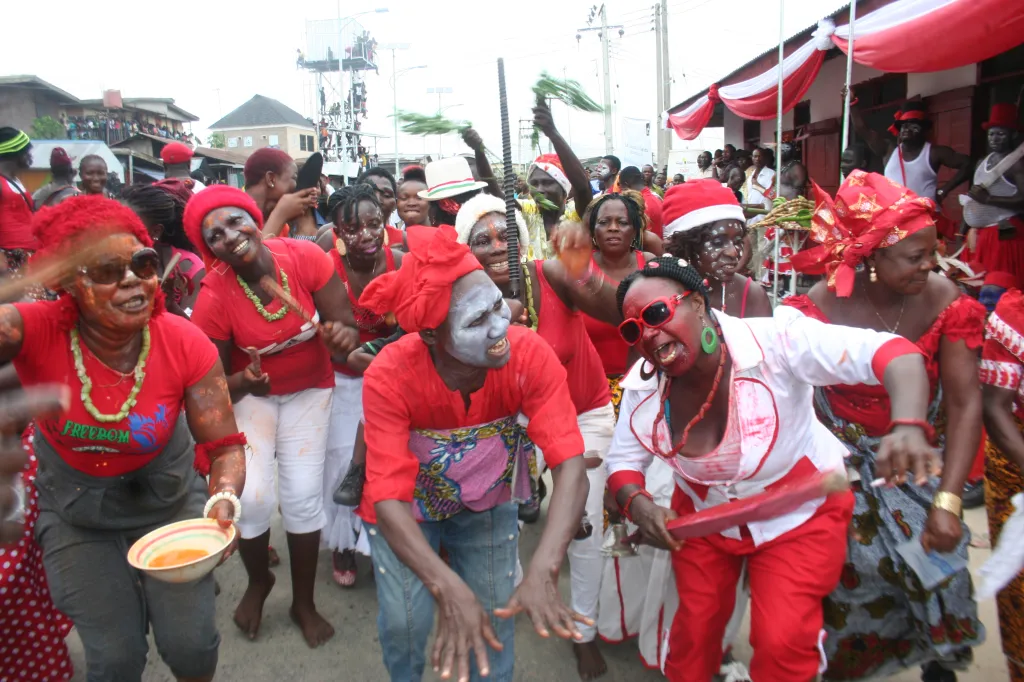
Cultural festivals in Nigeria are vibrant events that celebrate the traditions, values and heritage of various communities. They often feature music, dance, food and art, attracting visitors from across the country and around the world.
However, in recent times, some festivals have become associated with violence, resulting in physical injuries, psychological trauma, fear and insecurity among residents and visitors. While many cultural festivals deserve respect and preservation because they unite communities and give indigenous groups a sense of identity and belonging, certain violent and harmful practices that occur during some of these celebrations should be abolished.
In some Nigerian communities, violent clashes during cultural festivals have become so common that they are now viewed as normal. For example, the Ozoro Aluede-Do Fertility Festival in Delta State was traditionally established as a fertility rite and a thanksgiving celebration intended to bring blessings of children to married couples experiencing fertility challenges.
However, like some major cultural events such as the Eyo Festival in Lagos State and the Egungun Festival celebrated in parts of Ogun, Oyo and Osun States, incidents of violence have occasionally occurred when rival youth groups disrupt processions and attack participants. This trend has also spread to other parts of the country.
The Oriokpa Masquerade Festival in Enugu State, which symbolizes ancestral spirits in Igbo culture and promotes bravery and discipline among young people, has faced similar challenges. In recent years, some individuals have used the festival as an opportunity to engage in assault, intimidation and thuggery.
These incidents reportedly prompted local traditional authorities to suspend the festival indefinitely. Similarly, during some celebrations of the New Yam Festival and the Oro Festival, criminal elements and cult groups have allegedly exploited the events to perpetrate violence.
In some cases, residents, women and journalists have been attacked under the pretext of enforcing traditional rules. Broader community celebrations such as the Ekuechi Festival in Kogi State and some regional street carnivals have also faced significant challenges.
These events have, in certain instances, been disrupted by gang clashes, looting, extortion and other forms of violence, leading to public disorder and insecurity. Despite their cultural significance and historical importance, these violent practices have generated negative consequences for many communities.
What should be a celebration of heritage and unity has, in some cases, become a source of fear and anxiety for residents and visitors. One of the most serious effects is the growing sense of fear and insecurity among community members. Cultural festivals are meant to celebrate heritage and foster social cohesion, yet many people now avoid participating because they fear violence. Some residents are even forced to remain indoors during festivals to protect themselves and their families.
Another troubling consequence is the loss of lives and property. Events that begin as peaceful celebrations can sometimes escalate into violent confrontations, resulting in injuries, deaths and destruction of property. Such incidents not only affect victims and their families but also damage the reputation of the host community.
Beyond the physical consequences, there are also psychological effects. Trauma, anxiety and emotional distress often result from witnessing or experiencing violent incidents. These experiences can leave lasting scars and may cause some individuals to develop a long-term fear of crowds and public gatherings. Furthermore, these negative outcomes contribute to a poor image of affected communities, particularly in relation to tourism.
One of the major benefits of cultural festivals is their ability to attract visitors and stimulate local economies. However, when festivals become associated with violence, tourists and cultural enthusiasts may choose to stay away. As a result, events that should promote cultural pride and economic growth instead become symbols of insecurity and unrest.
While these problems are serious, they do not mean that cultural festivals should be abolished. Rather, efforts should be made to eliminate the violent elements that threaten their purpose. Once a festival becomes dangerous, it ceases to be a source of joy and unity and instead becomes a source of fear. If these challenges are not addressed, younger generations may lose interest in preserving these important cultural traditions.
Nevertheless, we must not allow these negative developments to destroy Nigeria’s rich cultural heritage. Nigeria is renowned for its cultural diversity, and its festivals continue to showcase traditional music, cuisine, costumes and masquerade performances. When properly organized and managed, these celebrations serve as powerful tools for promoting peace, unity and social integration among diverse groups.
Addressing these challenges requires more than words; it demands concrete action. Government authorities, traditional rulers, community leaders and security agencies must work together to eliminate violence and ensure that festivals remain safe for everyone. Effective planning, proper security arrangements and strict sanctions against troublemakers are necessary to prevent these events from being hijacked by criminal elements.
In conclusion, cultural festivals play an important role in preserving Nigeria’s heritage and strengthening community identity. However, the violence sometimes associated with these celebrations must be addressed.
The government, traditional institutions and community stakeholders must collaborate to eliminate harmful practices and ensure that cultural festivals remain peaceful, inclusive and enjoyable. By taking proactive measures, we can preserve our cultural heritage while creating a safe environment for future generations.
Divine Edward is a 200-level student of Journalism and Media Studies at Delta State University, Abraka.