
By Ovie Okpare
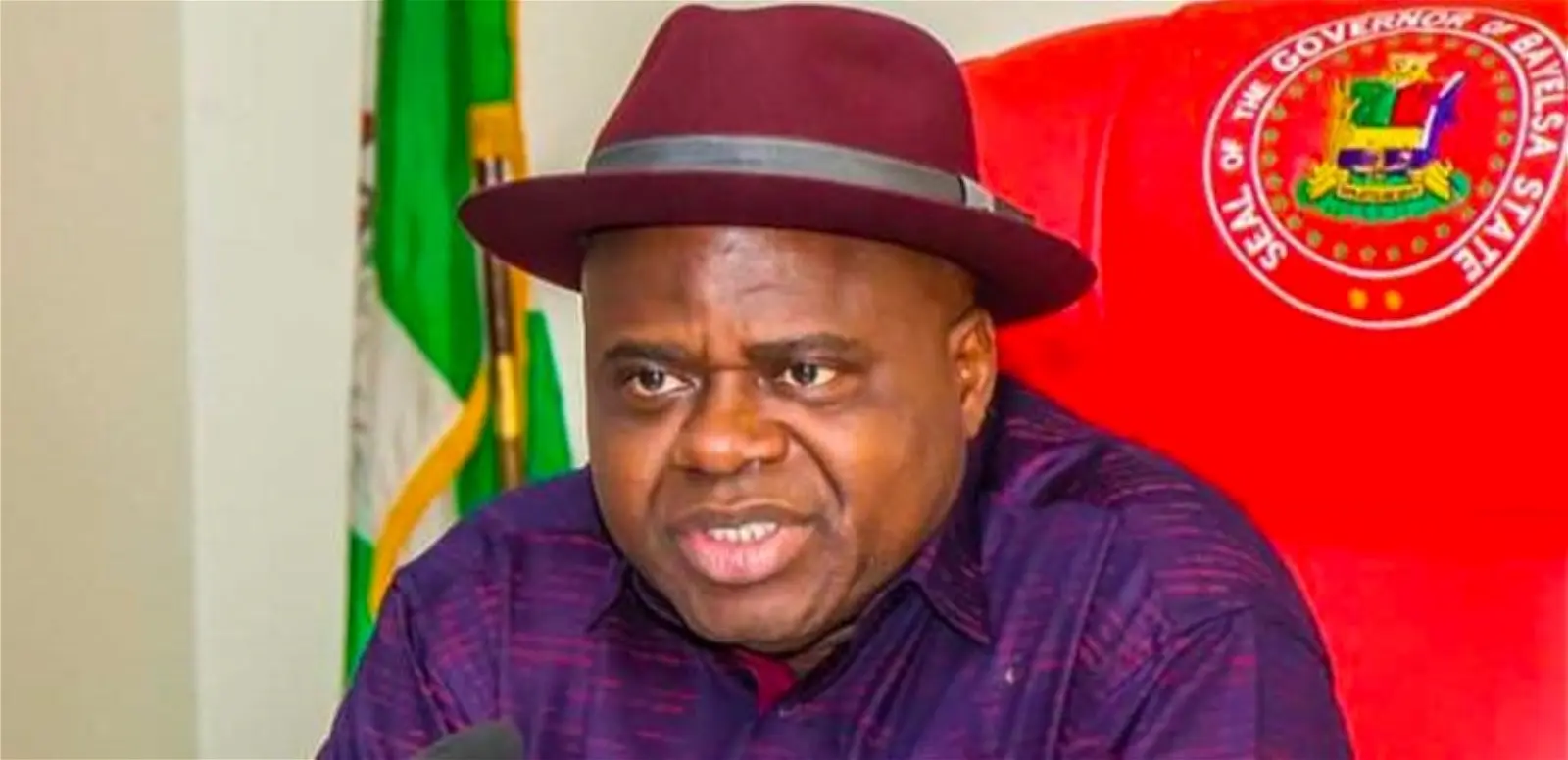
Delta State Governor, Rt. Hon. Sheriff Oborevwori, has held the state’s Executive Council meeting at the Government House Annex, Edjeba, Warri, for the first time since the administration of former Governor Emmanuel Uduaghan, signalling a renewed effort to take governance closer to residents outside Asaba.
The meeting, presided over by Oborevwori on Monday, approved a proposed 2027 budget of N1,236,874,981,081 for transmission to the Delta State House of Assembly, alongside several infrastructure projects covering roads, education, judicial accommodation and community development.
The Commissioner for Works (Rural Roads) and Public Information, Charles Aniagwu, disclosed the decisions while briefing journalists after the meeting, accompanied by the Chief Press Secretary to the Governor, Festus Ahon.
Aniagwu said the proposed appropriation would provide the financial framework for ongoing projects and fresh development initiatives in 2027, assuring that the administration would sustain infrastructure delivery despite political activities.
He said the decision to hold the Executive Council meeting in Warri was deliberate, adding that Oborevwori believed government activities should not be limited to Asaba, the state capital.
According to him, the governor wants residents in other parts of Delta to experience the presence of government through the location of important government activities and the distribution of development projects.
The council approved road construction, rehabilitation and reconstruction projects across the three senatorial districts, including interventions in Oshimili North, Oshimili South, Udu, Ethiope West, Ndokwa West, Isoko North, Warri North, Sapele, Aniocha South and Ika North-East.
Among the major approvals were the Emevor-Ivrogbor-Orogun Road, Phase Three, in Isoko North; Kolokolo-Tisun Road, Phase Two, in Warri North; and the reconstruction of Otor-Udu-Owhrode/Orhuwhorun/Mofor Road, with a spur at Erhiephiyor and Usiefrun in Udu.
The council also approved the rehabilitation of Aladja Road, from Premium Steel, formerly DSC, to Aladja Town; Amori Road in Mosogar; Okuokprere Community Road in Ethiope West; and Etevie Ikosa Okpi/Primary Health Care Road in Emu-Unor, Ndokwa West.
In Asaba and Ibusa, approved projects included several streets in Bonsac, Zappa Community and other neighbourhoods, while interventions in Agbor and Boji-Boji Owa covered the Old Lagos-Asaba Road, Ighegheidin Street, Osih Street and Ewere Street.
The government also approved the rehabilitation of two kilometres on either side of the Benin-Asaba Expressway at Ubulu-Okiti to improve access and ease movement for residents and motorists.
In a move aimed at accelerating project delivery, the council approved a reduction in the completion period for the reconstruction of PTI-Eku Road, from Chainage 3+600 to Ugolo Junction, from 12 months to seven months.
Similarly, the completion timeline for Phase Two of the Warri Internal Ring Road, covering NPA Gate to Effurun Flyover Expressway, was reduced from 12 months to eight months.
The council also approved five additional residential houses for judges, ratified the construction of a modern police station and staff quarters at Osubi, and endorsed the completion of the administrative block of the College of Education, Warri.
Other ratified projects included the installation of standard solar streetlights across DESOPADEC mandate areas.
Aniagwu said the spread of the approvals reflected the administration’s commitment to equitable infrastructure development, insisting that no part of the state would be deliberately neglected.
He added that political activities would not distract the government from its responsibility to deliver projects and improve the living conditions of Deltans.